


What is Ube? Origin, taste and differences from other tubers
Discover ube, the purple yam from the Philippines with a unique vanilla-hazelnut flavor. Learn about its origin, health benefits, and differences from taro and sweet potato.
Ube: the purple jewel of the Philippines
Ube (pronounced "oo-bay") is a tuber native to the Philippines, where it holds a central place in the culinary culture. Recognizable by its deep purple hue, it has been used for centuries in desserts, drinks, and festive dishes. Long a well-kept secret in Europe, ube is now captivating coffee shops and chefs worldwide thanks to its spectacular color and deliciously fragrant flavor.
What does ube taste like?
The taste of ube is unique and difficult to compare directly. It includes:
-
sweet, vanillanotes
-
an impression of toasted hazelnut and almond,
-
a smooth texture, similar to pastry cream when cooked.
Unlike other tubers, its flavor is naturally rich without being overly sweet. This aromatic profile explains its success in lattes, ice cream, and cakes.
Ube vs Taro vs Purple sweet potato: what are the differences?
Ube is often confused with other colorful roots. However, their flavors and uses are distinct:
| Tuber | Origin | Color | Backup | Culinary use |
|---|---|---|---|---|
| Ube | Philippines | Intense violet | Vanilla, hazelnut, almond | Desserts, drinks, pastries |
| Taro | Southeast Asia | White/purple | Slightly sweet, sometimes earthy | Soups, chips, bubble tea |
| Purple sweet potato | Japan, Hawaii | Dark purple | Sweet, sugary | Purees, pastries, savory dishes |
👉 Result: only ube combines vibrant color andnaturally fragrant taste.
Nutritional benefits of ube
In addition to its visual and gustatory appeal, ube is rich in nutrients:
-
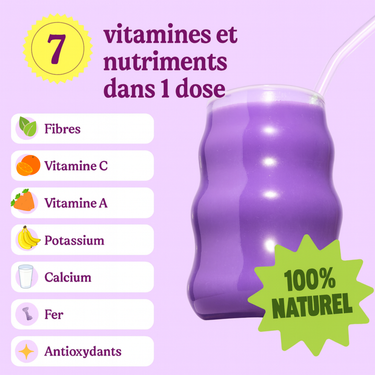
Fibres: aid digestion and promote a feeling of fullness.
-
Anthocyanins: antioxidant purple pigments,
-
Vitamins & minerals: vitamin C, potassium, manganese…
Without caffeine or theine, it is perfect for "comforting" drinks at any time of day.
How to use the Ube in cooking?
Traditionally, the Philippines prepares Halaya d'ube, a thick jam served on its own or as a garnish. But today, modern variations are multiplying:
-
Latte à l'ube(hot or iced),
-
Cheesecake with ube,
-
Ice creams and frozen desserts,
-
Smoothies and bowls.
Ube powder, easy to dose and dissolve, has become the practical solution for incorporating this superfood into home or professional recipes.
Where can I find quality ube powder?
For an authentic taste, choose ube powder:
-
100% pure ube root, without additives,
-
Origin: Philippines
-
Traceability and analysis available,
-
Fine and soluble.
These criteria guarantee a colorful, homogeneous and tasty result, whether in a latte or in a pastry.
Conclusion: a tuber between tradition and trend
Ube is much more than a colorful ingredient: it's a link between Filipino culture, nutritional benefits, and global culinary trends. Whether you're a barista, pastry chef, or simply curious, incorporating ube into your cooking offers a unique and delicious taste experience.
👉 Next Article: “The nutritional health benefits of ube”.

Ube powder